
Gelanggang Kencana Sdn.Bhd.
local solutions to global problems

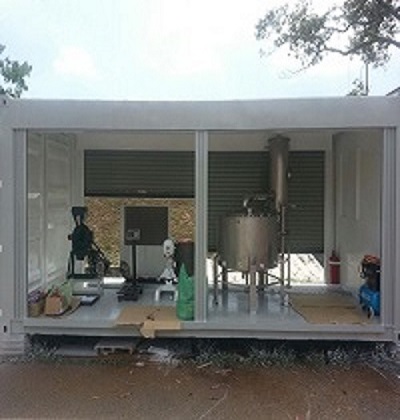
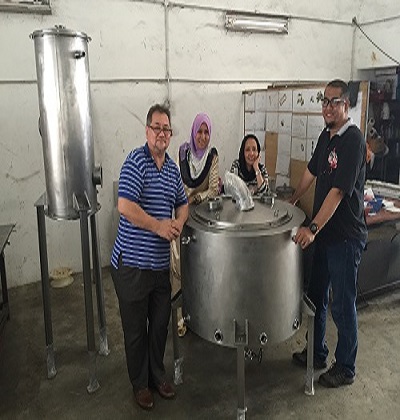
Second generation catalytic pyrolisis conversion of palm oil EFB biomass to jet fuel.
Oil palm empty fruit bunches (EFB) are abundant in Malaysia with an annual production of more than 18 million tons. Traditional methods such as composting and incineration are not suitable to process these organic solid wastes as they contain nitrogen and considerable amount of solid grains and smoke that may pollute the environment. Second generation technologies to convert lignocellulosic biomass to biofuels are still in development, with first pilot and demonstration plants in operation today, though not in Malaysia.
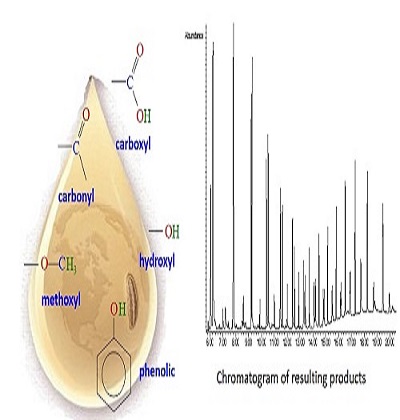
Pyrolisis is one of the most promising technologies of biomass utilization which converts the biomass to bio-oil, char and gases depending on the pyrolysis conditions. Progress in the production of biofuels is limited by the lack of understanding of pyrolysis mechanisms. With selective tailoring and synthesis of nanocatalyst, it is hypothesized that production of biofuel and jetfuel from biomass could be achieved with higher efficiency and enhanced production yields. Fast pyrolysis at lower degradation temperatures (300-375 oC), in the presence of functionalized nano catalysts is an efficient one step conversion of biomass to biofuels and jetfuels and conversion of phenols into higher oxygenated hydrocarbon derivatives.

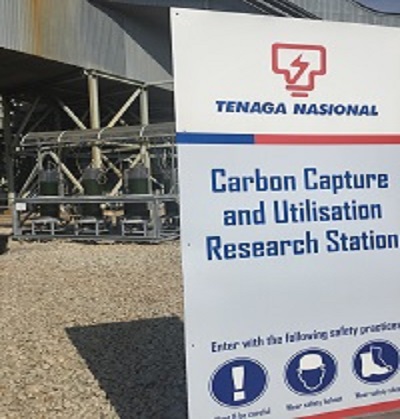
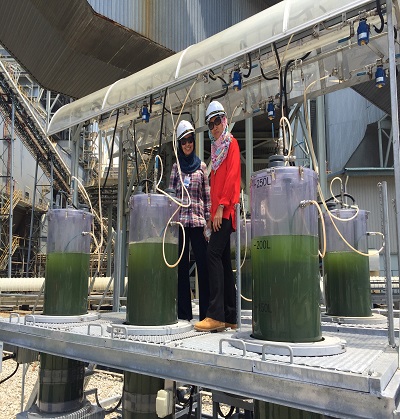
The Development of a Prototype Device using Nano-Material to increase Dissolution of CO2 gas in Marine Microalgae Culture.
For information and technical assistance or
application requests, please contact:-
Gelanggang Kencana Sdn. Bhd.
Department Of Science, Management & Design
Razak Faculty of Technology and Infomatics,
Universiti Teknologi Malaysia Kuala Lumpur,
Jalan Sultan Yahya Petra,
54100 Kuala Lumpur,MALAYSIA
(attn: Professor Datuk Dr Halimaton Hamdan)
You can contact or visit us during working hours.
Tel: +6-03-2180 5430
Fax: +6-03-2180 5380